

 Cart
Cart


The grocery delivery industry has undergone an extraordinary transformation over the past decade, moving from being a niche convenience to becoming a mainstream service that millions of households depend upon daily for grocery delivery in Canada. With this shift, one of the biggest operational challenges that delivery services face is managing demand during peak times. Unlike regular hours, peak periods are characterized by a sudden surge of orders, limited time windows, and heightened customer expectations. Managing this efficiently requires an intricate balance of forecasting, staffing, logistics, communication, and technology. In 2025, grocery delivery companies must go beyond simply fulfilling orders; they must do so with accuracy, speed, and reliability, even when demand is at its highest.
The Nature of Peak Demand
Off-peak grocery orders are usually made in the evenings, on weekends, and during holidays when customers have the time to go shopping and prepare meals, events, or host family meals. Public holidays, festivals, or local holidays amplify this demand even more. In contrast to conventional retail buying, where clients are able to adjust to stock deficiencies by selecting substitutes at store locations, web-based grocery shopping relies on the delivery services to foresee and meet customer demands without any margin for mistakes. This uncertainty renders peak seasons one of the greatest challenges in the business.
Forecasting and Demand Planning
Demand forecasting is one of the key strategies in managing peak orders. Today's grocery delivery platforms rely on artificial intelligence and machine learning programs to foretell customer actions. Such programs analyze historical buying patterns, weather conditions, public holidays, and even cultural or social festivals that impact purchasing decisions. For example, the sale of fresh fruits and vegetables, dairy items, and drinks will increase hugely during weekends in summer or festive occasions. By using predictive analytics, businesses are able to stock up on the correct products, staff enough people, and get their logistics systems ready to cope with the anticipated rush. Otherwise, peak hours will immediately clog even the most adequately provisioned delivery networks.
Staffing and Flexibility of the Workforce
The human factor is as much a necessity as equipment readiness. Busy times require more staff, and delivery services also greatly depend on flexible staffing models. Most of these companies hire part-time drivers and warehouse workers who can be summoned during peak demand. The gig economy has also simplified the process for delivery companies to ramp up or down their employee base according to demand. Adequate training helps even temporary workers work efficiently and quickly. Workforce scheduling software also assists in the efficient allocation of manpower so that no section remains understaffed or overstaffed during peak times. This adaptive strategy to staffing eliminates bottlenecks and allows for smoother service when demand is highest.
Logistics and Route Optimization
The key to managing peak-time orders is effective logistics. With hundreds and thousands of orders received at the same time, it is essential to optimize routes for delivery and minimize travel time. Sophisticated logistics systems combine current traffic data, customer sites, and order priority to direct the most optimum routes for drivers. Routing optimization not only increases delivery speed but also enables several orders to be delivered on one trip, optimizing efficiency. Several companies have also made micro-fulfillment centers and dark stores nearer to residential areas. These mini-warehouses are specifically planned for internet orders, facilitating quicker picking, packing, and shipment of foodstuffs. Decentralization of fulfillment helps delivery services to ease pressure on central warehouses and respond more quickly during peak hours.
Inventory Management and Product Availability
Keeping products in stock is among the toughest challenges in peak periods. Consumers expect to get everything they have ordered, and even an insufficiency of commonplace items like bread, milk, or fresh fruits can lead to disappointment and loss of confidence. Delivery services have thus spent on real-time stock management systems, which refresh their stock levels continuously across warehouses and shops. These systems can provide substitutes in real time if a product is out of stock, thus reducing cancellations and delays. In peak-demand periods, operations tend to pre-stock best-selling items in higher volumes so that the most demanded grocery items are never out of stock. This equilibrium of forecasting and inventory management is critical in maintaining customer satisfaction when there is peak order congestion.
Customer Communication and Transparency
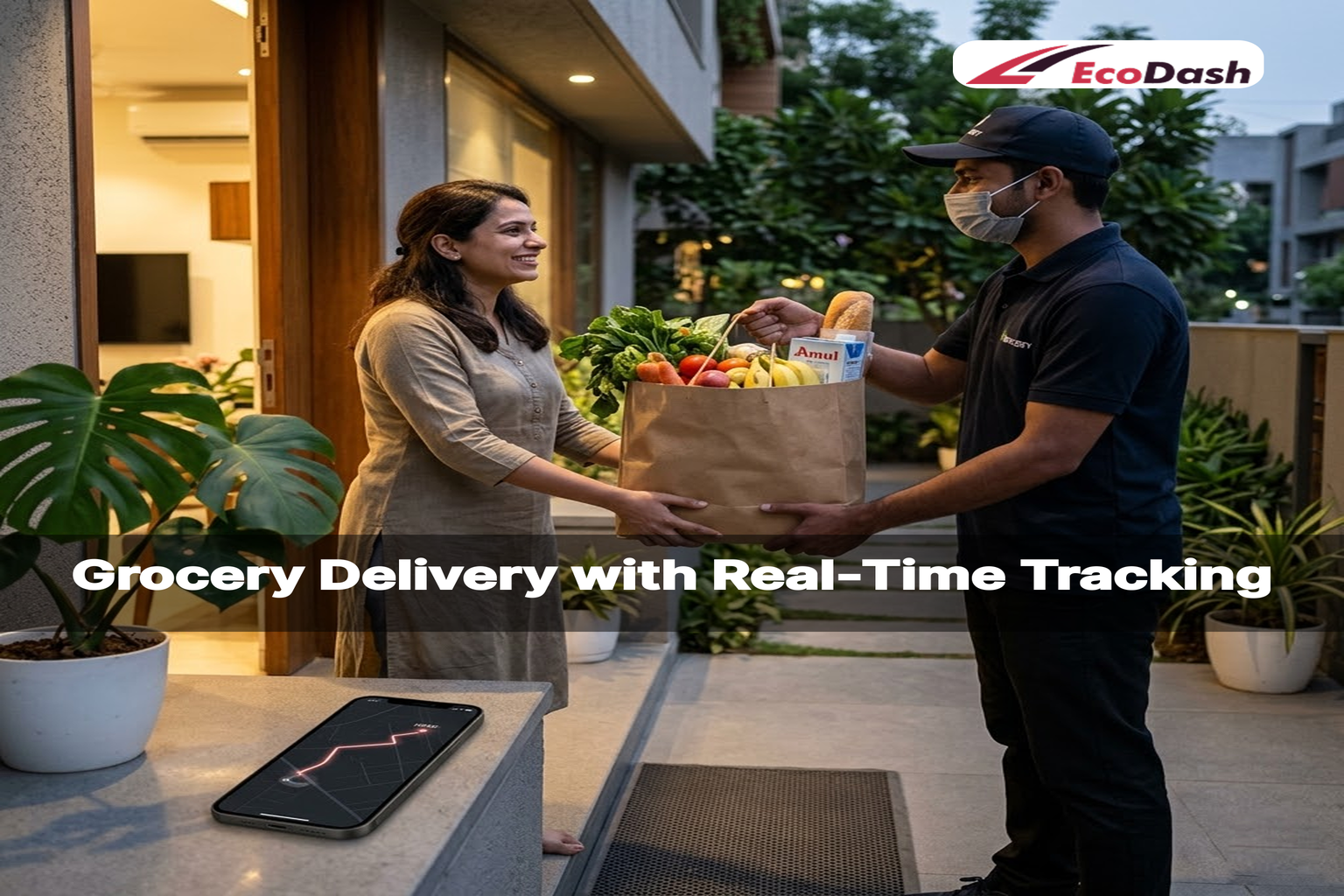
Despite optimal planning, peak periods may cause delays and slight interruptions. How delivery companies communicate with their customers during these circumstances spells overall satisfaction. Real-time monitoring, push notifications, and frequent status updates about the order ensure that customers are informed and avoid frustration. Transparency generates trust, particularly when businesses make it a point to inform customers about likely delays and provide compensation through discounts, loyalty points, or free-delivery vouchers. With open and clear communication, delivery companies turn potential dissatisfaction into chances to reinforce customer relationships even during peak-pressure periods.
Technology as the Driving Force
Technology is also at the center of peak-period grocery order management. Artificial intelligence and automation make every step from order batching to driver assignment more efficient, with cloud-based platforms enabling firms to expand rapidly when orders get high. Mobile apps give customers control over things like flexible delivery times, order personalization, and real-time tracking, minimizing anxiety during peak periods. In mature markets, drones and self-driving cars are being tested to offload some of the load from human drivers, especially for short-distance deliveries. Robotics and automated picking in warehouses further enhance order readiness, keeping services running efficiently even when loads are high.
Collaborations and Partnerships
Delivery services likewise rely on alliances to manage peak orders efficiently. Collaborating with neighborhood grocery stores, supermarket chains, and third-party logistics companies allows firms to ramp up capacity without massive capital investments in infrastructure. For instance, during holiday seasons when demand triples, some firms rely on neighborhood courier fleets or ride-sharing capabilities for delivery. These collaborations strengthen the entire supply chain and ensure breakdowns if demand happens to surge ahead of expectations. The shared ecosystem model ensures that no one company shoulders the weight of peak-time pressure, and customers still experience uninterrupted service.
Sustainability in High Demand
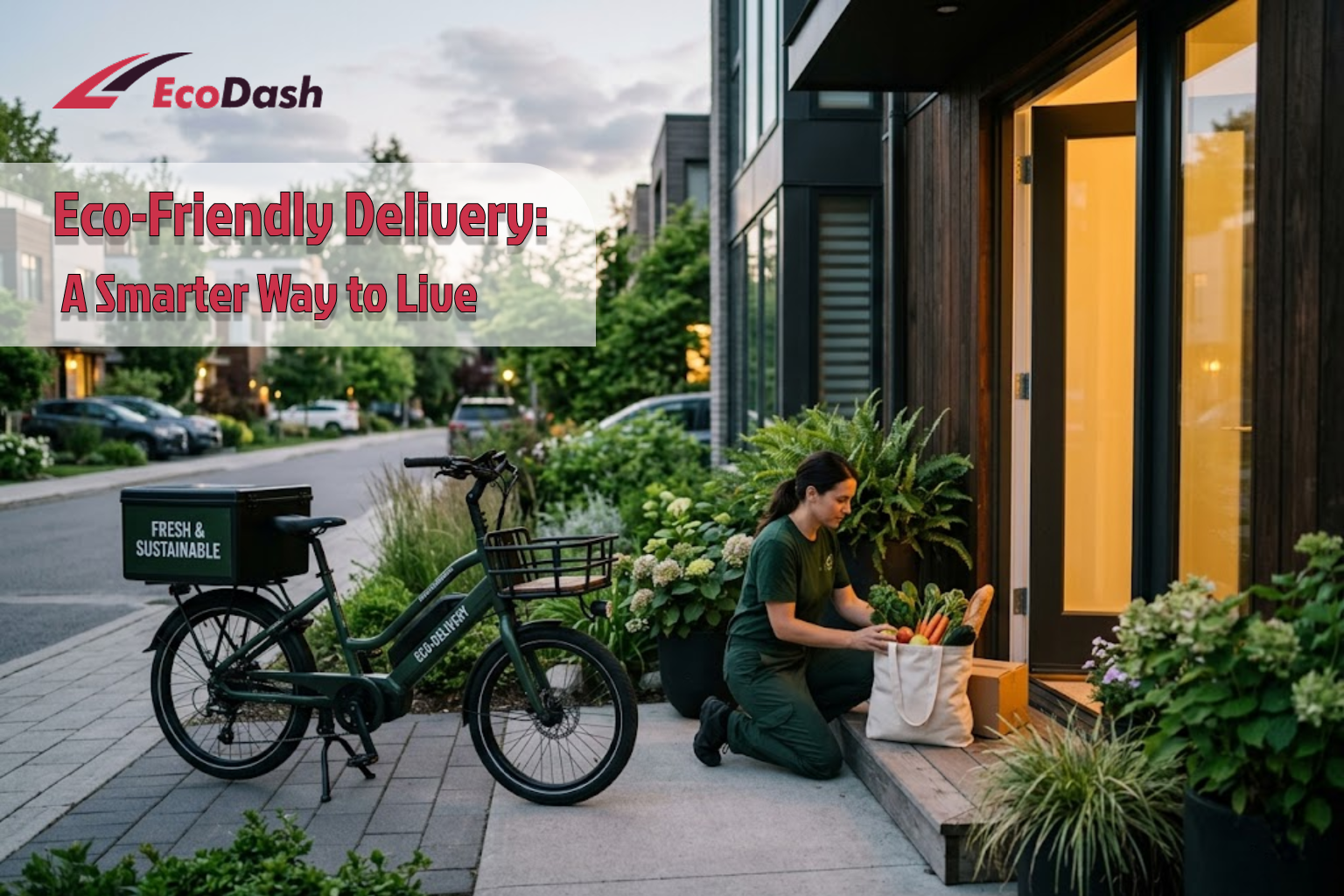
One aspect of peak-time order management that gets frequently overlooked is sustainability. Increased delivery frequency during peak periods can produce greater carbon emissions as well as packaging waste. Alert to these problems, numerous companies are incorporating environmentally friendly solutions into their business model. Electric delivery vans, routing optimization to eliminate unproductive trips, and reusable packaging materials have become the norm. Practiced at peak times, not only do these processes enhance efficiency but also match the increasing customer requirement for environmentally friendly business models. By merging convenience with responsibility, delivery services can fulfill customer requirements while reducing their footprint.
Improving the Customer Experience
Evaluating from the core is the final objective of providing a positive customer experience. Peak hours test the dependability of delivery services, and only those capable of delivering as promised time and again achieve the long-term loyalty of customers. Freshness, punctuality, and accuracy are the only deal-breakers that decide satisfaction. Firms that are able to sustain such standards during peak hours tend to enjoy high word-of-mouth referrals, repeat purchases, and increased brand loyalty. In a highly competitive market, the capacity to meet peak-time demands efficiently has emerged as a determining criterion for long-term success.
Conclusion
EcoDash Peak-time management of grocery orders is one of the biggest challenges to delivery services, necessitating seamless coordination of forecasting, staffing, logistics, technology, communication, and sustainability. Each of these pieces plays its part in ensuring that orders are fulfilled correctly and on time, even at the peak hours. In 2025, consumers no longer see same-hour or even same-day delivery as an add-on service; they see it as the new normal of convenience. These are the companies that succeed at meeting the challenge of peak demand, keeping costs minimized, with minimal environmental footprint, and trust maintained by transparency and efficiency. It is, in the end, not merely a matter of operational efficiency but also one of providing reliability and comfort to customers in a world of quick pace and convenience.


Leave a reply