

 Cart
Cart
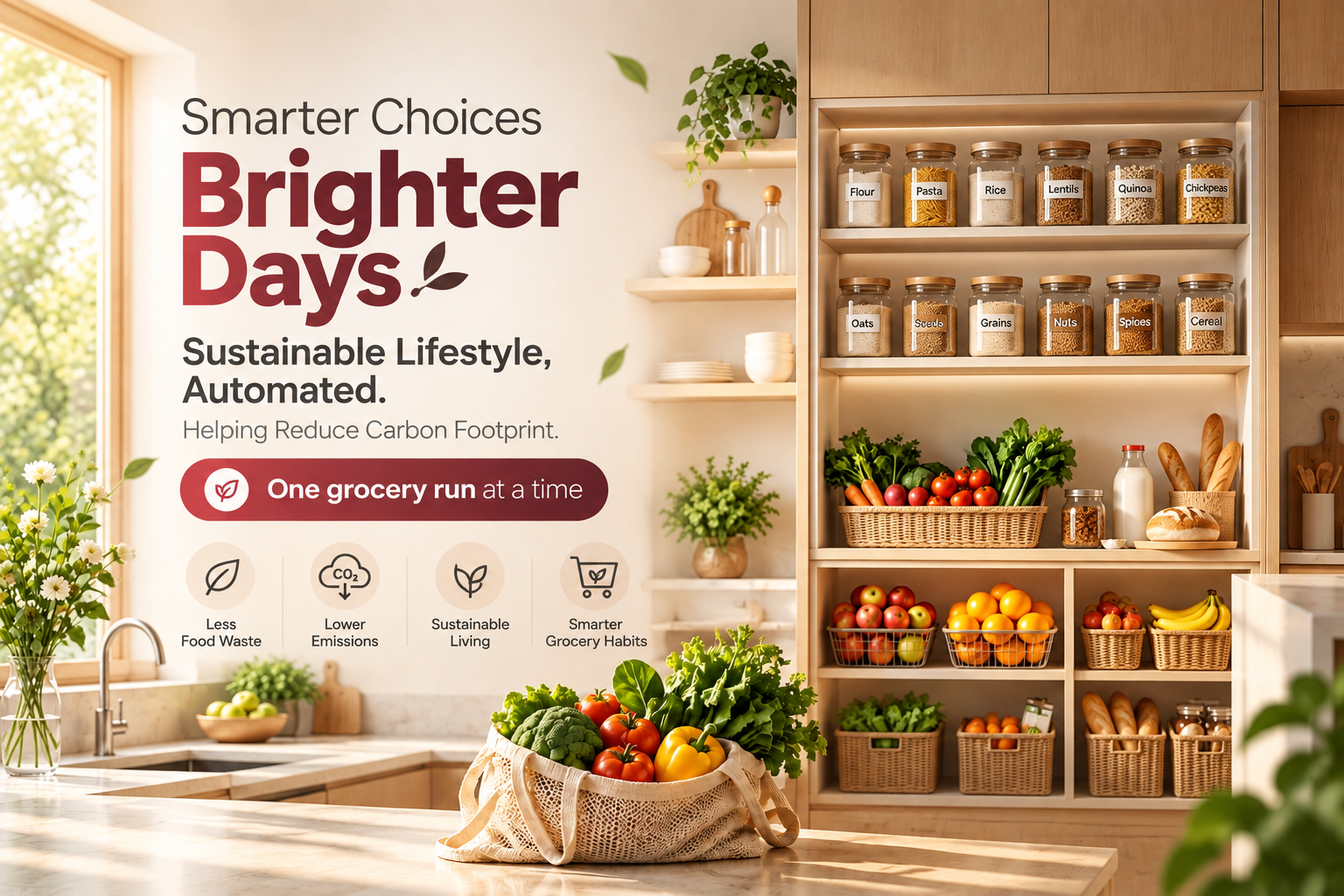



Sustainable living does not always require dramatic lifestyle changes. Sometimes, it starts with improving the everyday routines we already follow. Grocery shopping is one of those routines. From planning household essentials to making repeated trips to the supermarket, the way we purchase and replenish everyday products can influence how efficiently we use time, transportation, packaging, and resources. With technologies such as automated grocery replenishment, smart consumption tracking, artificial intelligence, IoT, and electric vehicle delivery, everyday shopping is becoming more connected and convenient.
EcoDash is building this approach around a simple idea: make sustainable living easier, one grocery run at a time. Its platform combines EV-powered replenishment, smart consumption tracking, and automated access to everyday essentials in Canada.
What Is Sustainable Living?
Sustainable living means making everyday choices that can reduce unnecessary consumption and environmental impact while maintaining a practical lifestyle. It can include buying according to actual household needs, reducing unnecessary grocery trips, using reusable shopping bags, being more conscious of packaging, choosing efficient delivery options, reducing avoidable food waste, and using technology to better understand consumption habits.
Sustainability does not need to be complicated. Consistent improvements to everyday routines can make sustainable choices easier to maintain.
Why Grocery Shopping Is an Important Part of Sustainable Living
Grocery shopping happens regularly, which makes it an important area for improving household efficiency. A forgotten household essential can result in another trip to the supermarket. Buying products without understanding consumption patterns can also result in over-purchasing or unused items. A smarter grocery routine focuses on what a household actually consumes, when products need to be replenished, and how deliveries can be organized efficiently. This is where automated grocery shopping can make a difference.
How Automated Grocery Replenishment Works
Traditional grocery shopping often depends on remembering when products are running low. Automated replenishment changes that process by using technology to monitor consumption and identify recurring household needs.
EcoDash uses IoT-connected smart jars that can track usage and alert users when products need to be replenished. This can help households manage frequently used essentials without relying entirely on memory or making unnecessary last-minute shopping trips. The result is a more organized approach to everyday grocery management.
Smart Consumption Tracking Can Support Better Shopping Habits
Understanding consumption is an important part of sustainable grocery shopping. When households know how quickly they use everyday products, they can make more informed purchasing decisions.
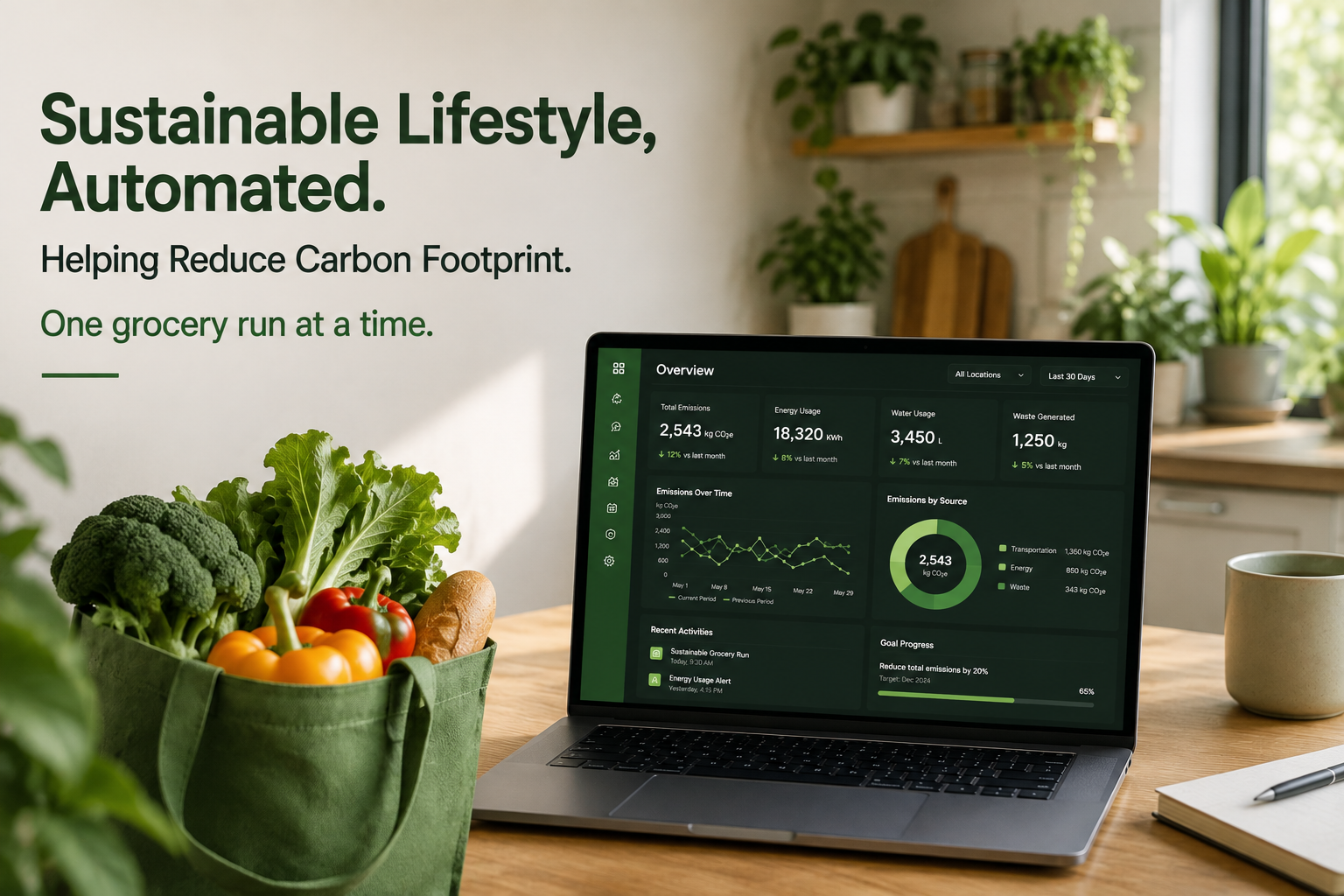
Smart consumption tracking can help users understand which products are used most frequently, how often essentials need to be replenished, when a product is likely to run out, which purchases are recurring, and how household shopping patterns change over time. This information can help turn grocery shopping from a reactive activity into a more organized routine.
Reducing Unnecessary Grocery Trips
One of the practical benefits of automated replenishment is convenience. Instead of making separate trips whenever an essential item runs out, households can organize recurring purchases more efficiently. Reducing unnecessary shopping trips can also potentially reduce the transportation associated with those individual journeys.
EcoDash's model combines automated replenishment with delivery designed around local fulfillment and efficient logistics. The company says its AI-powered demand forecasting and strategically located dark stores are used to optimize inventory and reduce travel distances.
The Role of Electric Vehicles in Sustainable Grocery Delivery
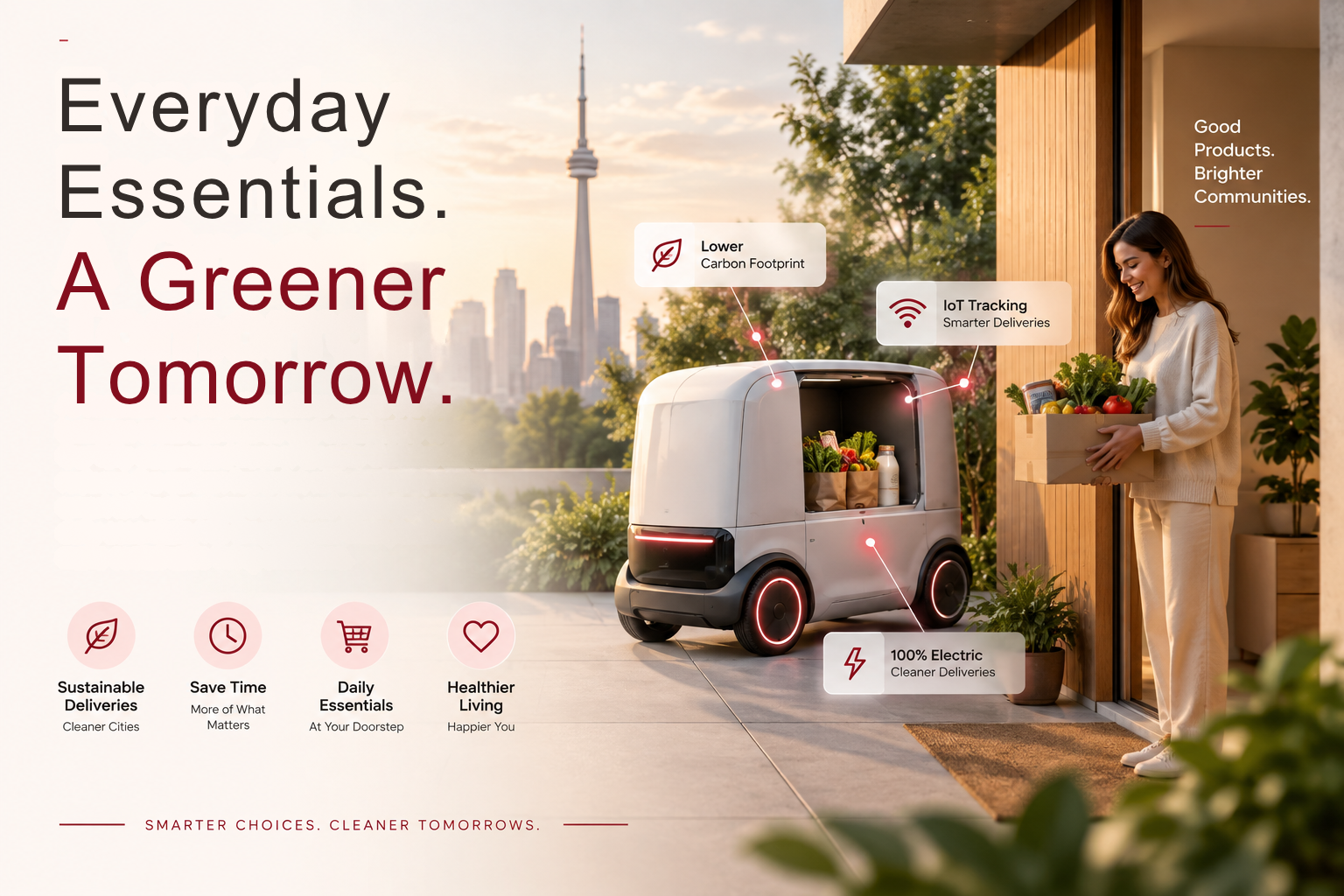
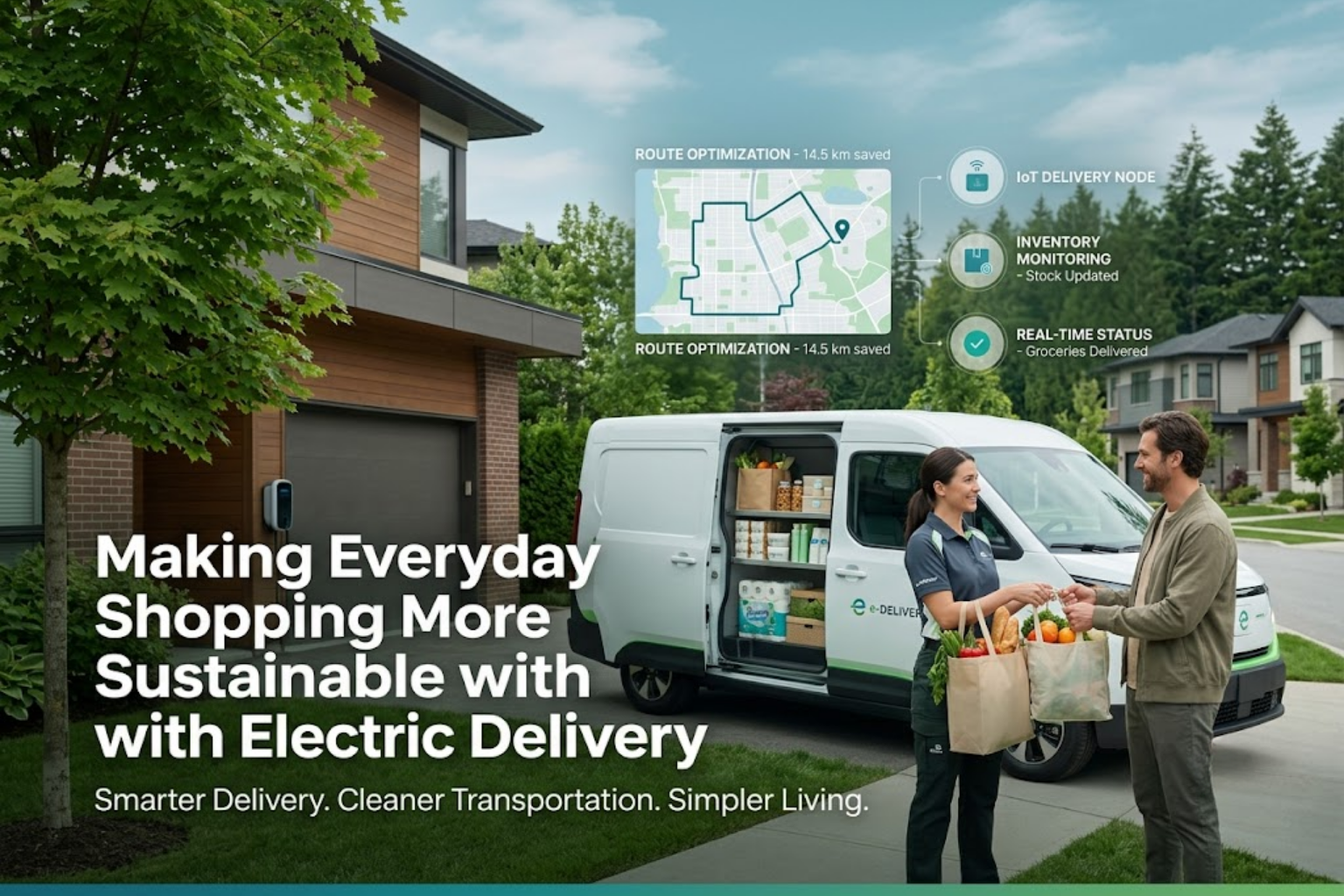
Transportation is another important part of sustainable delivery. EcoDash operates with an electric vehicle-focused delivery model, combining EV delivery with smart logistics and automated replenishment. The company describes its fleet as fully electric and positions EV delivery as part of its effort to reduce the carbon footprint associated with everyday deliveries. When electric transportation is combined with efficient routing, local inventory, and demand forecasting, grocery delivery can become more closely aligned with sustainability-focused operations.
AI and Smart Logistics for More Efficient Grocery Delivery
Sustainable grocery delivery is not only about the vehicle. The complete system matters — including inventory management, demand forecasting, fulfillment locations, and delivery planning. AI-driven demand forecasting can help businesses better understand purchasing patterns and prepare inventory according to expected demand.
EcoDash uses AI-driven demand forecasting together with strategically located dark stores to optimize inventory and reduce travel distances. This creates a technology-driven approach where smarter planning supports both convenience and operational efficiency.
Sustainable Living Without Sacrificing Convenience
A common perception is that sustainable living requires more effort. Technology can help change that. Automated replenishment can reduce the need to remember recurring purchases. Smart consumption tracking can provide greater visibility into household usage. EV delivery can support a more environmentally conscious delivery model. Together, these technologies can make sustainability part of the normal shopping experience rather than an additional task. EcoDash describes its mission around combining rapid access to everyday essentials with an all-electric fleet and automated replenishment.
Simple Ways to Make Grocery Shopping More Sustainable
Technology is only one part of sustainable living. Consumers can make everyday grocery shopping more sustainable by planning recurring purchases around actual consumption, avoiding unnecessary trips, buying only what they need, reducing avoidable packaging through reusable bags and thoughtful purchasing, choosing efficient delivery options, and using smart tracking and automated replenishment to make sustainable habits easier to maintain consistently.
The Future of Sustainable Grocery Shopping
The future of grocery shopping is becoming increasingly connected, with AI helping forecast demand, IoT monitoring household consumption, automated systems managing replenishment, and electric vehicles supporting cleaner delivery operations. When these technologies work together, grocery shopping can become part of a smarter household ecosystem, and EcoDash is bringing them together through automated replenishment, smart consumption, grocery delivery, and sustainability in Canada.
Conclusion
Sustainable living can start with everyday decisions. By combining automated grocery replenishment, IoT-powered consumption tracking, AI-driven demand forecasting, and electric vehicle delivery, EcoDash is creating a technology-driven approach to everyday grocery shopping that connects convenience with sustainability — smarter consumption, more efficient delivery, and a more sustainable lifestyle, one grocery run at a time.
Leave a reply