

 Cart
Cart
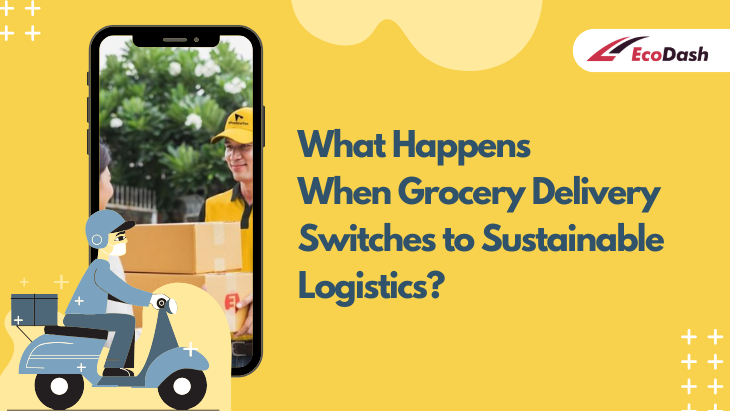


There is a logistics system that is involved in the delivery of milk, apples, or that pre-cooked dinner you order to your door. Changing that system to business as usual to sustainable logistics does not simply sound good, but the environmental imprint changes, the wallet footprint changes, and the communities change the way they operate. This is a simple, conversational breakdown of the reason why sustainable logistics is important to Grocery Delivery in Canada and why businesses, consumers, and the local communities will benefit (and what will be difficult).
1) Ecological gains - reduced emissions, more intelligent routes, reduced waste
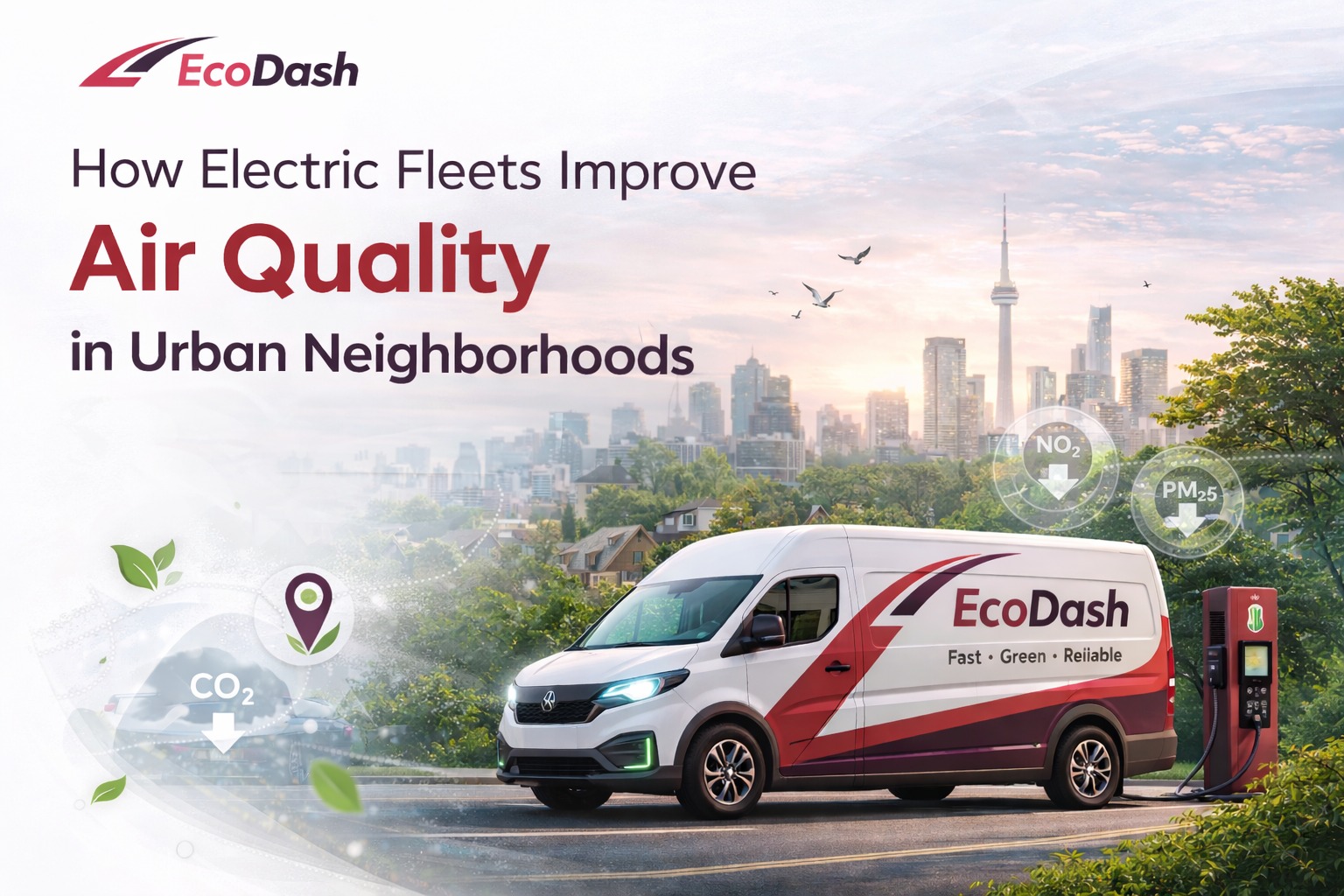
The most emission-intensive element of e-commerce is the last-mile deliveries, the last movement of a depot to your door. In the world, a great proportion of CO2-equivalent emissions has been caused by transportation and logistics, and therefore, the greening of this area has had disproportionately large returns. As grocery providers switch to an electricity delivery fleet, route maximization, and consolidation of orders using micro-hubs, they save fuel consumption and time wastage, and this minimizes greenhouse gases and pollution in the city. Otherwise, the analysts warn that deliveries in densely populated cities may skyrocket; by acting now, however, it is possible to flatten that curve and keep communities cleaner.
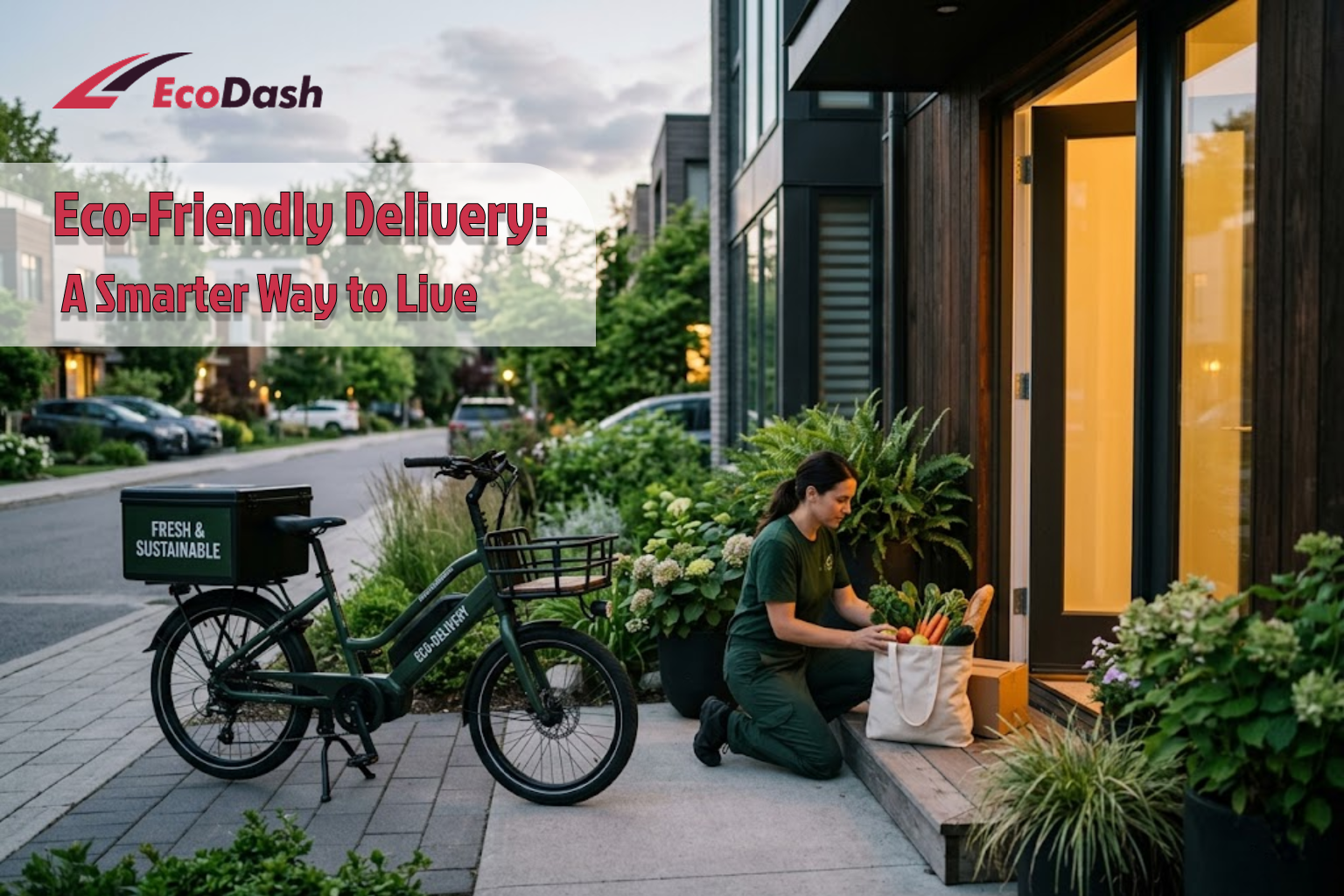
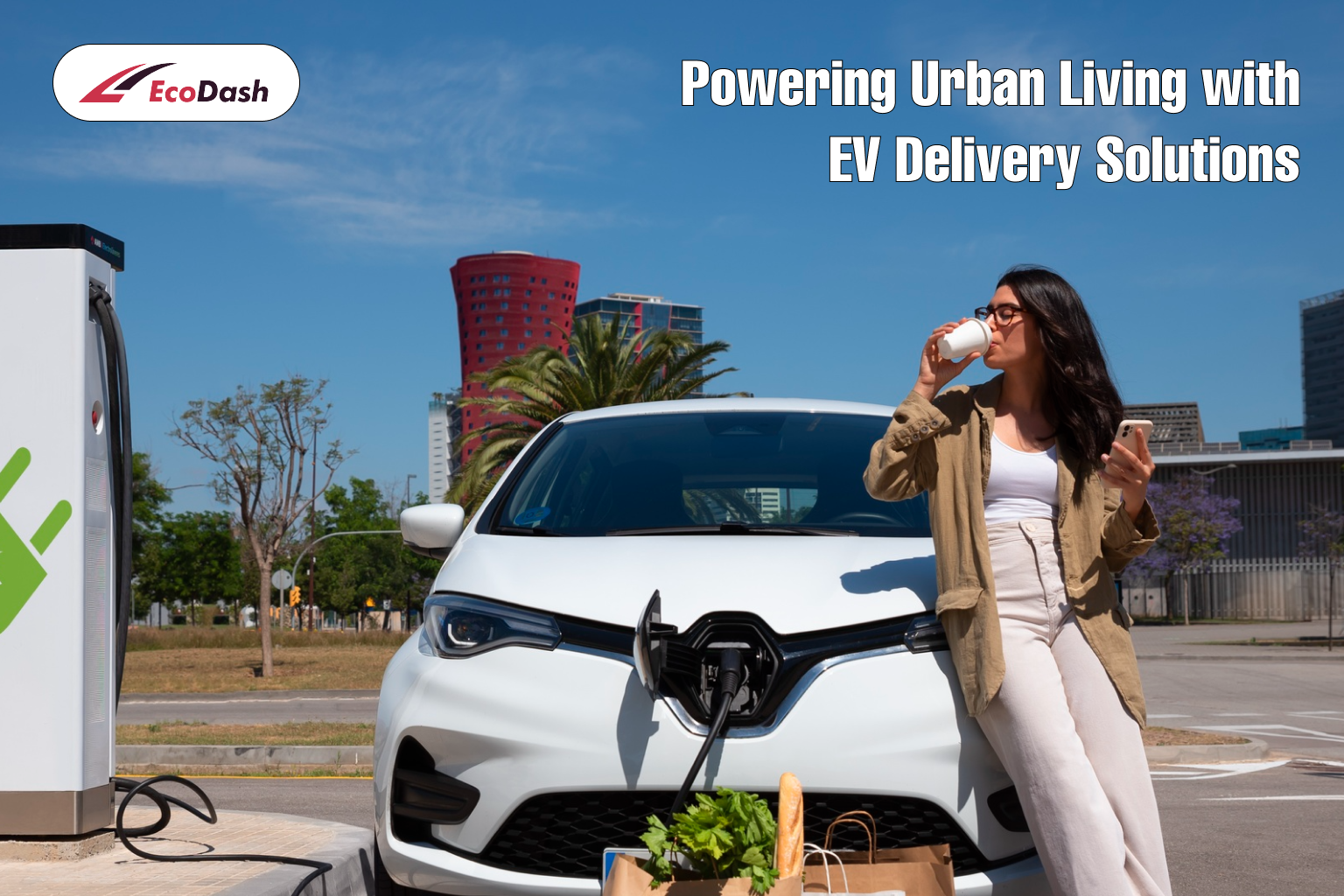
Practical recommendation: promote delivery windows in which route combinations (fewer trips per neighbourhood) can be undertaken and in which retailers can switch to electric vehicles (EVs) or cargo bikes to use on small urban routes.
2) Economic implications -cost, savings, price signals
Switching to sustainable logistics is an investment in the short term. EVs, refrigerated electric units, micro-fulfillment centres, and route-planning software are not free. However, the retailers can generate long-term savings as a result of quicker, condensed deliveries and reduced fuel/maintenance expenses. Costs may be neutral or a little more at the start to consumers, but as fleets grow and software advances, the savings are usually transferred back to the consumer in the form of reduced delivery prices, subscription packages, or more efficient dynamic pricing. The Canadian last-mile market itself is increasing at a rapid pace, which is why there exists an opportunity to seize the market share by the firms that are early movers and enhance their margins.
Credence Research Inc.
Practical implication: retailers must operate pilot EV delivery routes and calculate the total cost of ownership (TCO) over 3-5 years - pilots will indicate whether superior capex will be paid back in opex savings
3) Social effect - employment, local strength, and customer decision
It will be possible to create local employment (including micro-fulfilment centres, last-mile drivers (particularly in neighbourhood consolidation), EV technicians, and logistics analysts) as a result of sustainable grocery delivery. It may also enhance access to food in underserved communities by facilitating low-cost, scheduled deliveries. Conversely, automation and optimization can transform the character of certain jobs; the trick here is retraining and equitable transition strategies so that the employees can get into more skilled logistics and maintenance jobs instead of being laid off. The local sourcing and consolidated delivery of retailers can also assist the small producers to reach the urban customers without the emission of fumes.
Practical implication: introduce sustainability experiments with workforce development initiatives and supply chain partnerships to the local community - this will maximize the social value.
4) Implementation obstacles and possibilities
The obstacles are not fake: EV charging infrastructure in Canada (rural and Northern areas in particular) is not fully developed; refrigerated goods electrification may cost a lot; and retailers have to find a middle ground between speed (customers want their goods delivered quickly) and route optimization (to be sustainable). It is also complicated by regulatory uncertainty and disjointed urban policies.
Nonetheless, there are opportunities: hub-and-spoke, micro-fulfilment in the outskirts of cities, and shared-delivery networks minimize empty routes and maximize the use of vehicles. Smart scheduling, AI route optimization, and partnerships (sharing micro-hubs between grocers) are cost and emission-reducing measures at once. It has been identified by the World Economic Forum and others that urban logistics transformation is one of the levers used in cutting down the delivery-related emissions.
Reports of the World Economic Forums.
Actionable recommendation: pilot hub-and-spoke or shared micro-hub in a single city and then roll out to the rest of the country; use KPI such as emissions per delivered order.
5) Canadian examples - who is doing it well?
Some of the key Canadian retailers and platforms are already vocal on sustainability objectives and programs:
* Loblaw has established enterprise-wide climate objectives and social commitments of net-zero activities throughout its operations.
* Metro is making some of its transport electrified and writing about Scope 1 emissions cuts, spending on less carbon-intensive solutions.
* Sobeys has achieved quantifiable decreases in food waste and investments in circular wrappings and operational economies that facilitate greener delivery eco-systems.
Smaller players and local co-ops have tried electric fridges and cargo-bike deliveries into city cores - usually with high take-up in the community. These examples demonstrate that national chains as well as local innovators can play a part.
6) Prospect and development prospects
The last-mile delivery market in Canada is expected to increase significantly within the upcoming decade. The expansion is a driver and opportunity: when the growth is green, there will be a possibility of decreasing the number of emissions per order, even with the increase in total deliveries. Look forward to: an increased number of electrified fleets, shared micro-hubs, dynamic scheduling, and balancing speed with consolidation and closer partnership between utilities, city planners, and retailers on charging infrastructure. Retailers starting to incorporate sustainability in their delivery economics today will be in better places in the event that regulation or consumer preference changes further.
Guiding action: consumers can cast their votes with their preferences - opting to use more sustainable delivery, opting to use consolidated delivery windows, and encouraging retailers to release actual delivery-emission data.
Conclusion:
Sustainable logistics isn’t a PR trend it’s a structural shift that grocery delivery in Canada can’t dodge. The environmental upside is obvious, but the real leverage comes from long-term cost efficiency, stronger local economies, and a delivery network that won’t collapse under rising demand. Yes, the rollout is messy: charging gaps, high upfront costs, and the tension between speed and efficiency are very real. But the retailers that move now electrifying fleets, consolidating routes, building micro-hubs, and partnering across the supply chain—will own the market when regulations tighten and consumer expectations shift. The bottom line is simple: go green early or get left behind.
Leave a reply