

 Cart
Cart


The EcoDash fast grocery delivery has become a rage in Canada. On a whim, fresh produce, pantry goods, and meal supplies are available at your door in an hour with a few taps. It is convenient, particularly when one is busy, a parent, or when he or she does not want to go to stores that are crowded, but it comes at a cost. Along with the apparent delivery fee, it has a number of hidden costs that can quickly accumulate. When you order grocery delivery regularly in Canada, it is better to know these penalties because it is possible to make a convenient decision on whether the convenience is really valuable.
1. Shipping cost, peak pricing, and order quantities.
The vast majority of fast grocery services promise low prices on the delivery of the basics, although there are only a few that conceal an elastic pricing policy. Standard slots are usually charged by a fixed price, but the surge pricing (based on demand) can be increased during peak periods (evenings during the weekend, during holidays). A lot of applications also demand a minimum order in order to have delivery or to avoid additional charges. When you make a small, last-minute order to fill in an ingredient you are missing, one delivery will be much more expensive than a visit to the store.
2. Tips and prices of service.
Besides the delivery fees, platforms can also introduce service fees or platform fees, which are not always apparent at face value. These charges assist in funding the order processing, the platform upkeep, or the payment procedure. And although it is generally not mandatory that drivers be tipped over, it has become a norm in the industry whenever there are deliveries to be made in a hurry or during bad weather. A tip of $3-6 per order is quite substantial when you order more than once a week.
3. Markups on grocery prices
Another cost that is not widely talked about is the markup on goods sold using delivery services. Third-party services and retailers may occasionally increase the price on high-demand or popular products to cover the fee imposed on them, as well as offering convenience pricing. It implies that the identical pasta sauce or chicken pack could cost a few dollars more with the delivery application than it does in the store. Convenience may, over time, turn into an expensive habit due to regular markups.
4. Urgent purchases and wasteful spending.
Grocery apps are created to make the user experience inviting to make further purchases. Popular suggestions to purchase with a single click, frequently bought together, and time-saving offers encourage customers to become impulse buyers. You can easily add treats, ready-prepared meals, or extras when you are scrolling to get one missing item, and you would never have gotten them on a planned grocery trip. Those luxury goods, the impulse goods, those items that tend to be of higher mark-up, are what actually cause your final bill to be presented as small but swell your food budget each week.
5. Sneaks Subscriptions and membership sneaks.
There are those services that provide a subscription model at a promise of free delivery or a lower charge at a monthly/annual price. Otherwise, the subscription fee might end up being more than the value you take. To the users who are not active, it is not economical to subscribe to a membership to get delivery discounts. Better still, automatic renewal or cancellation policies may cause unforeseen expenses when you forget to switch them off.
6. Replacement and quality cost.
Many fast delivery services work with speed as their top priority, and this fact can lead to frequent substitutions. When a product is out of stock, the buyer might opt to substitute the product with a more costly or inferior product. Although the majority of applications allow accepting or rejecting substitutions, there are occasions when hasty shoppers accept substitutions to prevent time wastage. The replacement may cause the price to rise, decrease the worth of your purchase, or even make you make a second trip to the store, all of which is contrary to the aim of delivery.
7. Costs of the environment and packaging.
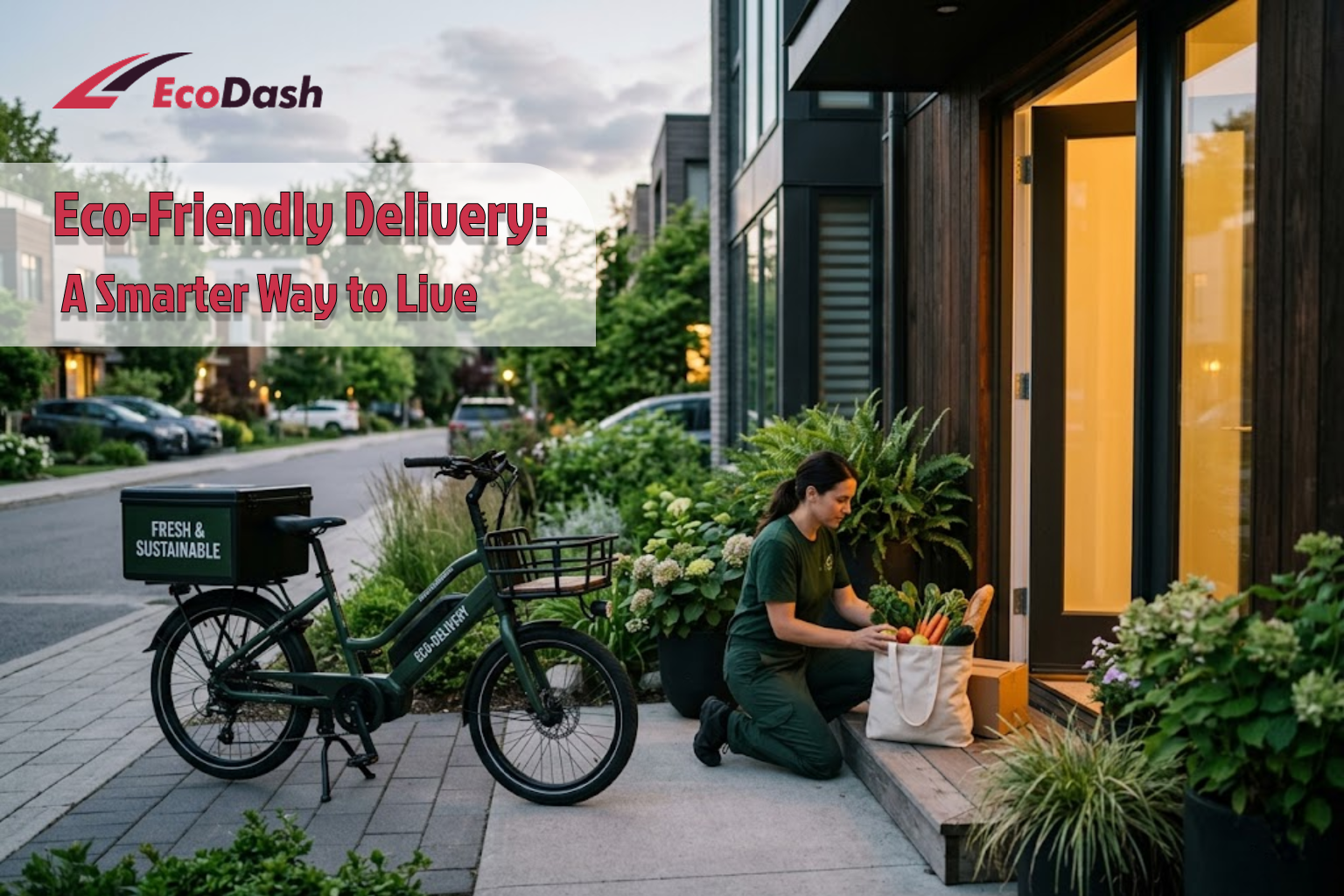
Single-use packaging is most commonly utilized to preserve food in transit during fast delivery. Additional bags, plastic, and insulated liners are convenient, but they result in more waste and environmental expense. Although it is not charged directly to your credit card, there is an overall cost that is incurred by society and by you, especially when you are concerned with sustainable living. In other scenarios, businesses charge them with little eco-charges or an increased price of a product in a sustainable package.
8. Time costs and false savings
Grocery delivery at first may appear to be a serious time-saver. Saving time walking the aisles can be used in cases of more time to process the orders, handling substitutions, or searching through various applications to get the best price. When ordering regularly, the time saved by having to deal with deliveries and returns can cancel out the benefit of time saved. These little chores might make the perceived time saving less significant.
9. Secret payment/return inconveniences.
Delivery platforms to send back or pay back are less convenient and faster than approaching a store. When a product is spoiled or broken, it will take a long time to be refunded, and the procedure will require in-app photos, support tickets, and waiting. Other refunds cannot be made as direct credit, but as store credit, and this restricts the amount the refund can be used. These frictions are an invisible expense in terms of labor and slow reimbursement.
10. The ways to decrease the hidden costs.
These are some of the practical habits that would get you to like grocery delivery in Canada without the expense you would not know about:
* Bring together orders to minimize order fees.
* Compare prices of items in the app and in-store and check out.
* Delivery subscriptions should be used only in cases when the frequency of ordering warrants them.
* Deliveries should be scheduled during non-peak hours to prevent surging prices.
* Replacement policies: Substitute with checks rather than expensive replacements.
* Factor- This considers the total cost instead of seeing it as an option.
Conclusion
The use of fast grocery delivery in Canada is a potent convenience; however, convenience is not free. Costs creep up between markups, subscriptions, impulse buying, and surge fees. Knowing the total cost of the point of speed and thinking about the delivery the right way, you will be able to remain as convenient as you want the expenses of such kinds of hidden provisions to get control of your grocery budget. Convenience is justified at a price when it literally saves time and anxiety, and is an expensive obligation when it turns into a habit of sucking money and energy.
Leave a reply